
The Ten Vows made by all Tathagatas (Vow 10)
I vow to save all beings.

Learning to see the world as it truly is
The Ten Vows made by all Tathagatas (Vow 10)
I vow to save all beings.
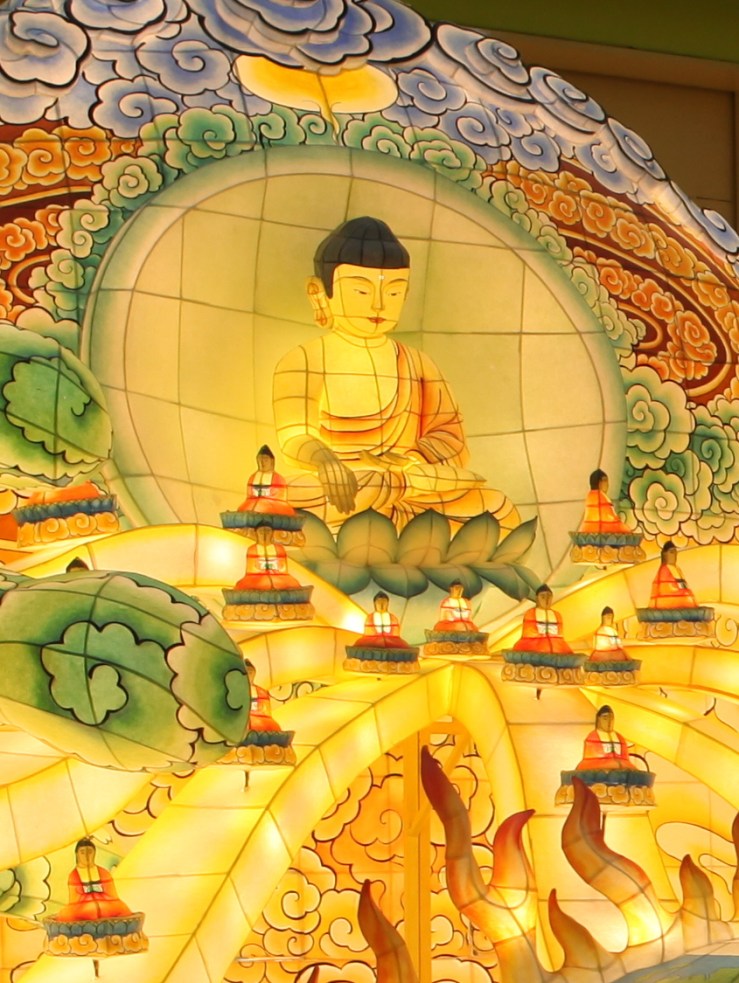
The Ten Vows made by all Tathagatas (Vow 9)
I vow to manifest throughout the entire world.

The Ten Vows made by all Tathagatas (Vow 8)
Amita Buddha existing within my mind,
I vow to hurry and meet.
Never forget that now,
right here,
where we are sitting at this moment,
this single, shining candle of one mind
has within it the entire universe,
and all realms seen and unseen.
— Daehaeng Kun Sunim
“Where is paradise found? Within my mind.” That seems like such a little phrase, just a few words, but think of how much energy and how many years people spend unconsciously thinking that the happiness they want exists somewhere else.
If it truly exists in our minds, then all of that time…. Well, work on discovering it within your own mind! Among other things, that is what you can take with you between lives. There’s very little that actually goes with us, just our habits and our orientation. If you deeply know that paradise is within your own mind, and have practiced living there, then I suspect that wherever you might be reborn, that would be something as natural to you as adjusting your pillow during the night.
The Ten Vows made by all Tathagatas (Vow 7)
Paradise is found within my mind,
I vow to attain it.
The Ten Vows made by all Tathagatas (Vow 6)
I will know the real and attain enlightenment.
I vow to always sustain and cultivate this determination.
What is Tathagata? Although it sometimes is used to indicate beings who are fully awakened, it also is the state where all minds are one. Where ultimately everything is seen as part of the ceaselessly manifesting whole.
(And try to recite these out loud a few times. Feel free to keep reciting just this one line throughout the day!)
The Ten Vows made by all Tathagatas (Vow 5)
The truth of non-duality,
taught by all Buddhas.
I vow to ceaselessly learn and practice.

Again, in addition to raising the intention to discover and cultivate these qualities, this vow reminds us of where we can find these things.
The Ten Vows made by all Tathagatas (Vow 4)
Precepts, meditation, and wisdom
are all found within my mind,
I vow to ceaselessly cultivate them.
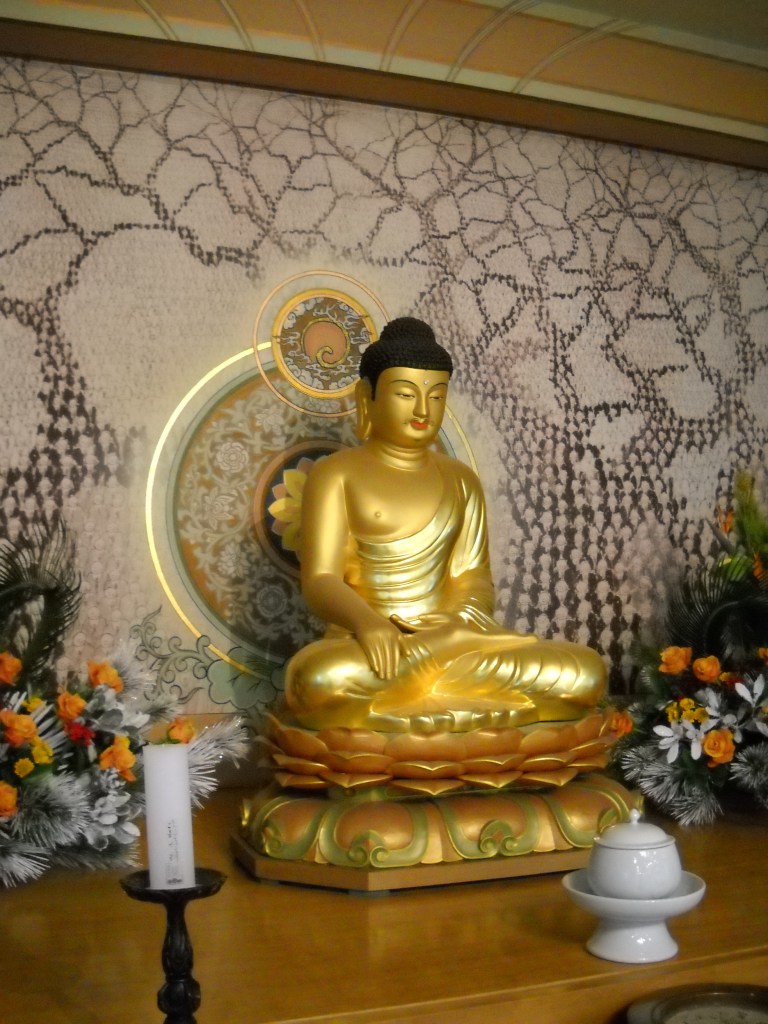
“So what do the vows of Tathagatas have to do with me?” some people may wonder. Well, this is one of those parts that takes the perspective of “follow the example of the people who’ve already got there.”
If you want to be rich, then do the things rich people do, at your own scale. (Fwiw, these are things like not spending too large a portion of your income on things like vehicles, saving up money for emergencies, avoiding debt, etc.)
If you want to be healthy, then look at the habits of healthy people and/or athletes. What are they doing? You don’t have to exercise as much (who could?!), but you might notice that they get plenty of sleep, go to bed and get up at the same time every day, avoid sugary food, and so on. These are things that most anyone could follow along with, regardless of their current health.
Likewise the understanding and awareness of awakened people. You don’t have to already be there; the most important thing in the beginning is to raise the intention to get there! This vow also reminds us of where we can find the Buddha, Dharma, and Sangha. We don’t have to travel to far away lands or wait until after we die – they all can be found within us, right now. Just knowing this, just being familiar with this idea, is an incredible first step.
The Ten Vows made by all Tathagatas (Vow 3)
Buddha, Dharma, and Sangha
all live within my mind,
I vow to always listen to them.

This next section was translated slightly differently by Daehaeng Kun Sunim, in that she added the part “existing within my mind” to most of the verses. Perhaps practitioners of the past felt this was so obvious it didn’t need to be added!
But Kun Sunim wanted to make it clear where the issue was! In a real sense, what other people are doing isn’t *that* important to my own practice. What they are doing only lightly affects how I’m viewing things and the choices I make.
The Ten Vows made by all Tathagatas (continued)
Greed, anger, and ignorance
existing within my mind,
I vow to dissolve without delay.

