
Just thoroughly entrust one mind with everything that confronts me,
such that all discriminations and views
about myself and the world utterly disappear.
상대 경계 모두 놓아 이 마음이 구공이면

Learning to see the world as it truly is
Just thoroughly entrust one mind with everything that confronts me,
such that all discriminations and views
about myself and the world utterly disappear.
상대 경계 모두 놓아 이 마음이 구공이면
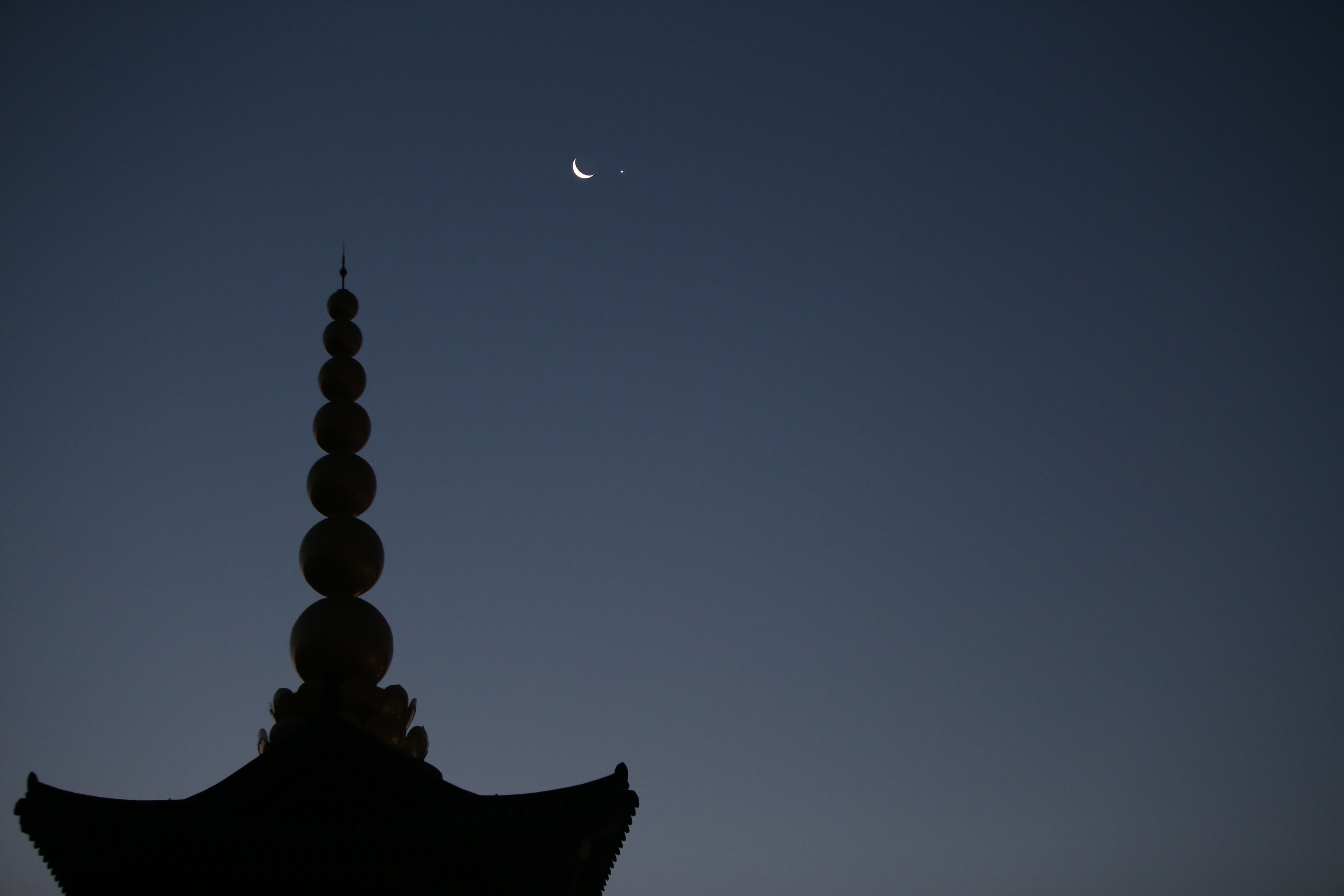
In Praise of One Mind
All places of energy and inspiration,
all places where enlightenment can be realized,
are found within one mind.
사방찬 四方讚
한마음에 세상 도량 전부 들어 있으니

This verse marks the end of the Great Compassion Dharani, which forms the core of the Thousand Hands Sutra. Just by itself, it’s an impressive text, with incredible meaning and guidance for us. The link below has the full text, as well as audio files for a short Dharma talk I did about it.
There’s so many things that can be said about it, that it’s hard to know where to start, and if started, there’d be no end to what could be said. Perhaps one point is that this (the text) is a description of how the world is really working. Even though we don’t see it for ourselves yet, if we move in tune with that, we’ll remove obstacles created by viewing and acting as if it were something different. This, plus familiarization with the perspective, will make it easier for us to directly perceive this for ourselves.
https://wakeupandlaugh.com/2016/05/11/the-thousand-hands-sutra-week-10-the-great-compassion-dharani/
All Buddhas,
may ten thousand flowers bloom,
and ten thousand fruits ripen.
Let me know their true taste!
일체제불이시여,
만 가지 꽃이 피고 만 가지 열매 익어 맛을 알게 하옵소서.

May everything that arises in my life
surrender to and follow my inherent nature.
자성신의 뜻으로 모든 생활에서 항복받게 하옵소서.
Are you remembering to recite these verses? I mentioned it early in the week, but one of best ways for each of us to grow and move forward is to discover and brighten the light inherent within each of us. Even if we don’t yet see it, even if most days it feels hard to believe such a thing exists, it will become clear to us as we move our thinking and behavior in tune with it.
To give a simple example, you don’t have to know or believe in traffic laws. You can start and drive a car without any knowledge whatsoever of the traffic laws. But, even if you don’t know them for yourself, if you pay attention to what other (better!) drivers are doing, and imitate them, your time on the road will go a lot smoother! “I don’t know why all the cars are slowing down, but I better too.” “There’s that extra lane on the right side of the road…. It’s empty, but no ever one uses it, so I’d better stay out of it as well.”
Driving like that isn’t perfect, and it won’t help you avoid every problem, but it will keep you out of a lot of trouble. Our “foundation,” our “true nature” is the same way. Even though we don’t see things for ourselves, even though we don’t necessarily know why it’s the best, if we keep unconditionally entrusting everything to our foundation, things will go better. And if we keep doing this, working on the stubborn parts we get hung up on, one day either in this life or the next, we’ll clearly see for ourselves.
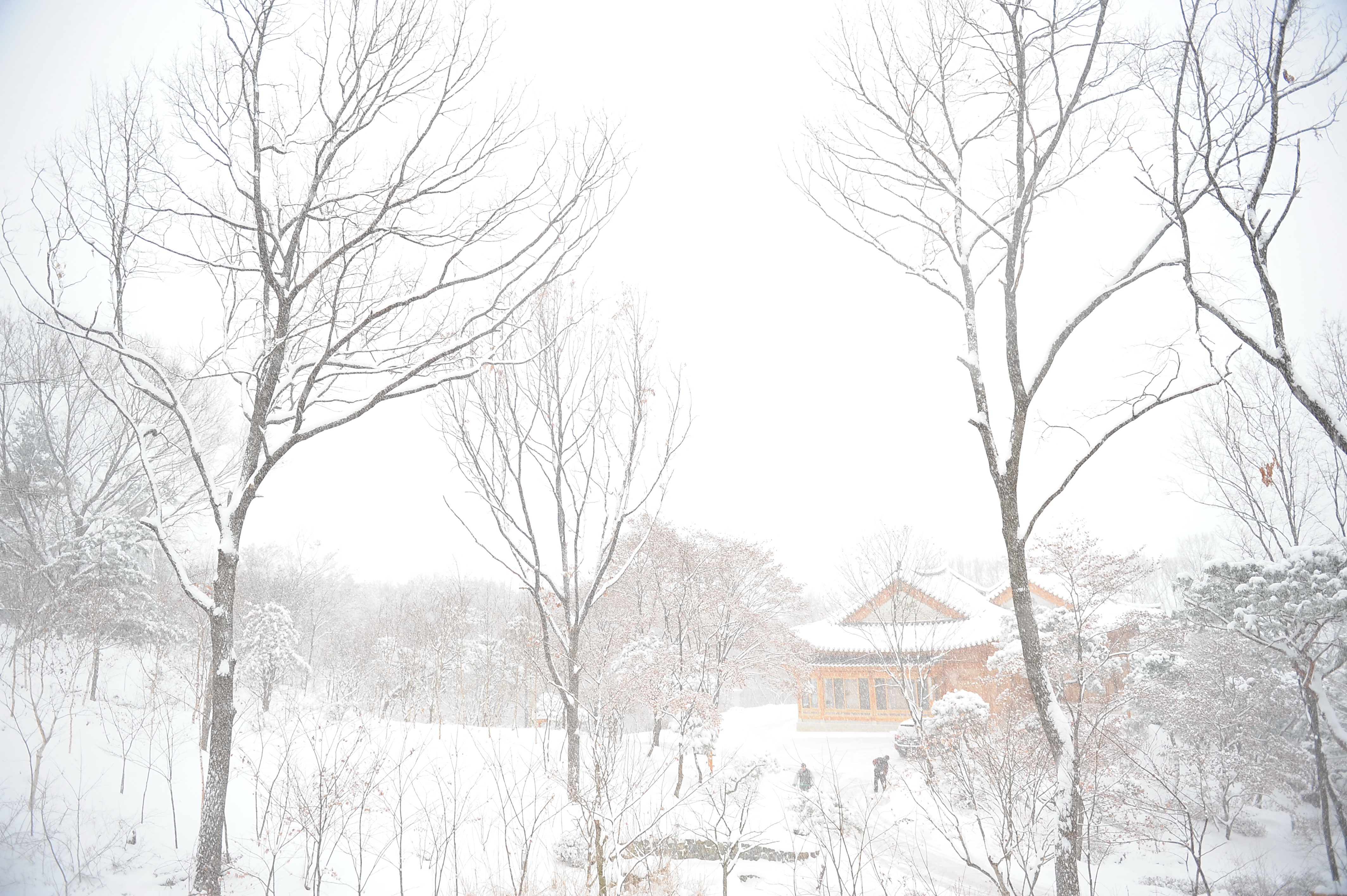
May I realize that all spirits of the dead
though shapeless and unseen,
are not separate from this realm of form and matter.
모습 없는 일체 영령들도 물질과 둘 아님을 알게 하옵소서.
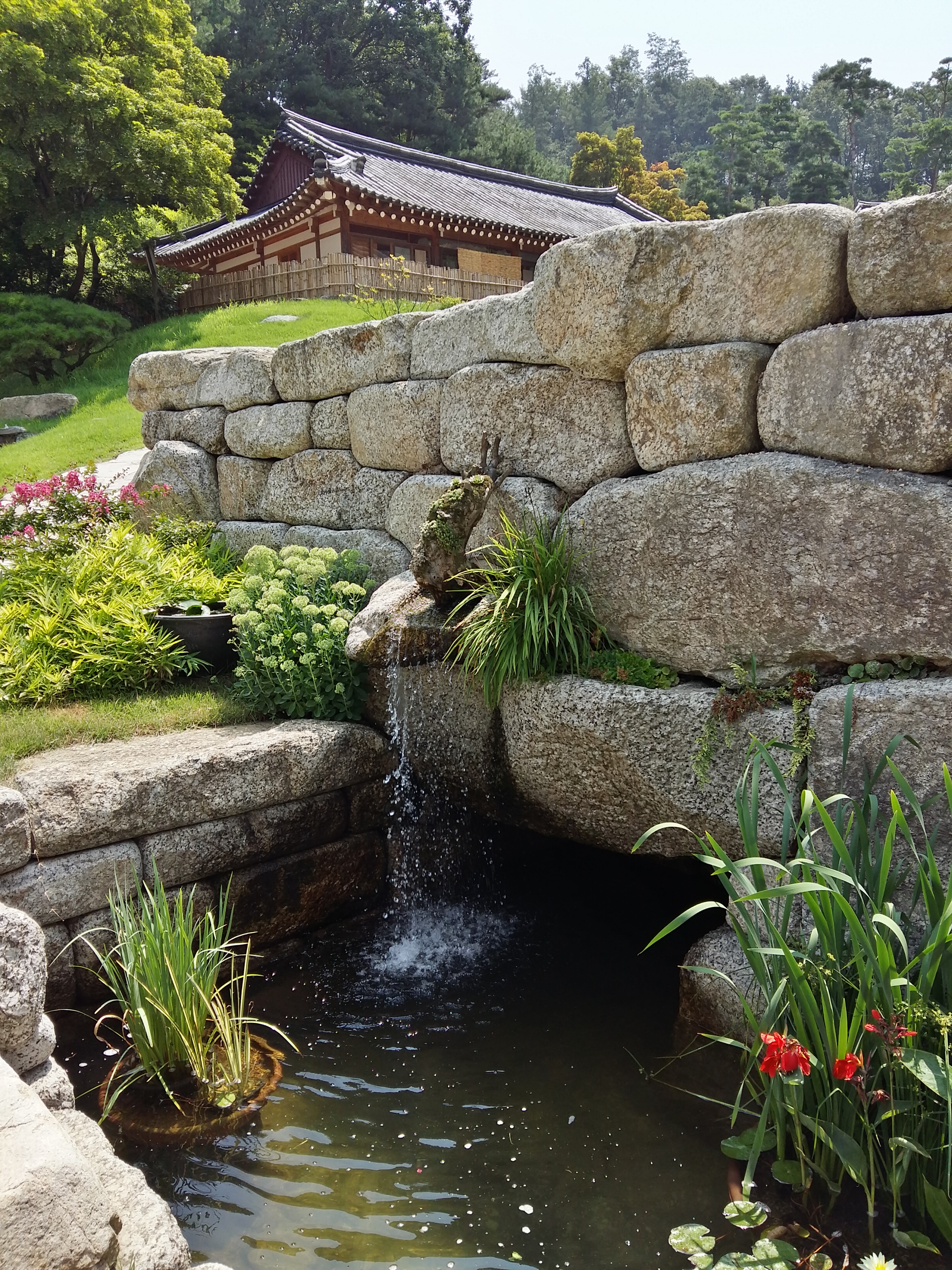
May I develop great spiritual ability and take care of the nation.
큰 능력으로 나라를 돌보게 하옵소서.
This could also be read as “the land,” if that’s more comfortable. This is another interesting verse that seems to counter the image of the lone practitioner, turning his or her back on the world. Instead, you can and should help take care of the area you’re living in.
If we look at all of recent chaos in the US and other parts of the world, a lot of it would disappear if people’s inner light was brighter. If they were aware of this light that shines equally within us as well as others, they’d loose interest in causing harm to others, and would be much less likely to be deceived by others.
Our job as practitioners is to discover and brighten our own inner light, and to help others do the same.

May I develop the power to dissolve all habits of the body.
육신의 모든 습성을 녹이게 하는 능력이 생기게 하옵소서.
The thing that strikes me about this verse is what it doesn’t say: may I be free from habits of the body. Nope. It straight up says they’re there, and the way through them is for me to dissolve them. That it’s up to me to do the work. And usually this means one by one, each time they arise. I qualify this with ‘usually,’ because there are times that great big piles of them seem to burn away in an instant. But, most of the time, we have to be paying attention, and then deal with them once they make an appearance.
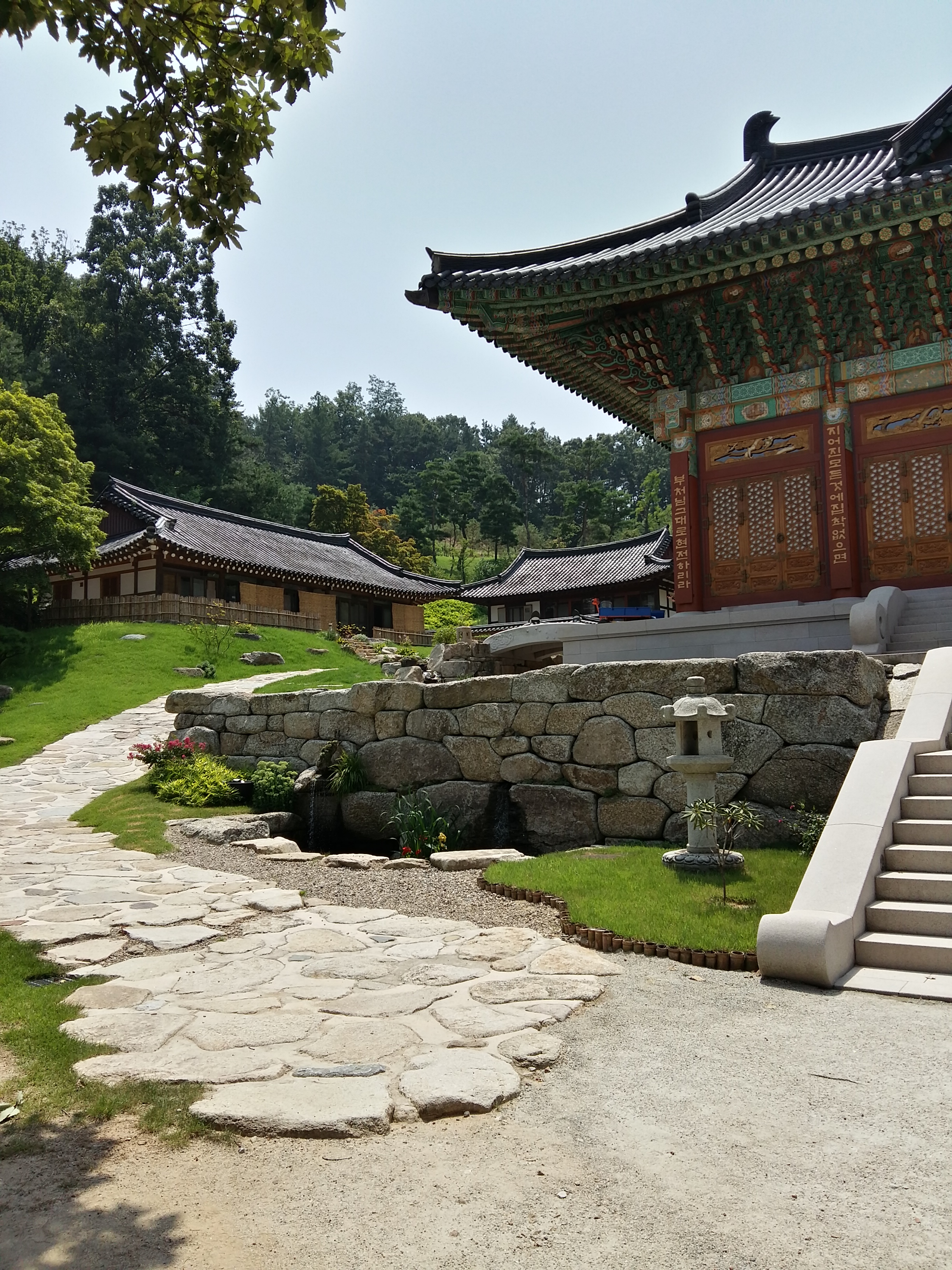
May I let go of my greed and desire.
나의 욕심을 떠나게 하옵소서.
This is quite a simple statement, but incredibly powerful. The first step towards any outcome, is wanting it. Just by itself, this so powerful. But, only we know the habits and places that keep coming up in our life. The clearer you can define your goal, the more useful it will be. “I want more money” is a goal, but if you narrow down the definition, “I want to earn $100 a week more” that give you a more specific target and starting place.
It’s the same with this. You can take this one step further, and play with refining it to fit your life, for example, “When I find myself about to do ____, may I remember to let go of _____.”
If you look closely at the times you’ve gotten yourself into trouble, usually you’ll find a moment that you could have changed things right before you went down that path. Whatever that is, raise the intention to make a better choice at that point. The text of The Thousand Hands Sutra isn’t specific to every situation. Part of what we have to do is ponder it and think about how it applies to our life, and how we can apply it.

This “one hand” is the hand of Buddha, that manifests across all realms, reaching out to those in need.
May I become one hand.
한 손 되게 하옵소서.

May I uphold the principles of the unseen realms, as well as the rules of society.
세상 계율 무위법을 벗어나지 않게 하옵소서.
This is quite an interesting verse, in that it specifically mentions upholding the standards of society. Of course, this doesn’t mean some society where people have gone off the deep end in a sea of blood and murder. But that in regular normal, decent-ish society, we should try to follow the rules.
Daehaeng Kun Sunim once described this as “upholding trust between people,” and in sociological terms (?) it’s what’s called “civil society,” that is, a collective society that generally has trust as it’s basis.
This is somewhat different than a certain stereotype of the “Zen” monk, who runs around creating chaos and upsetting people. “Oh, he’s trying to shake them loose of their fixed ideas.” Maybeee. But you better have the spiritual ability to see where you harmed others, and the spiritual ability to repay any harm you caused them, and frankly, there aren’t many who can do that.
If you truly understand the truth of nonduality, then only in rare instances, where you can clearly sense an intervention is necessary, would you cause anything like shock or harm to others. As for upholding the truths of how the unseen realms function, that’s to help you move in tune and learn to see these for yourself. (Among any number of other things, I suspect! There’s also the entire issue of not creating harmful karma that will hold you back.)

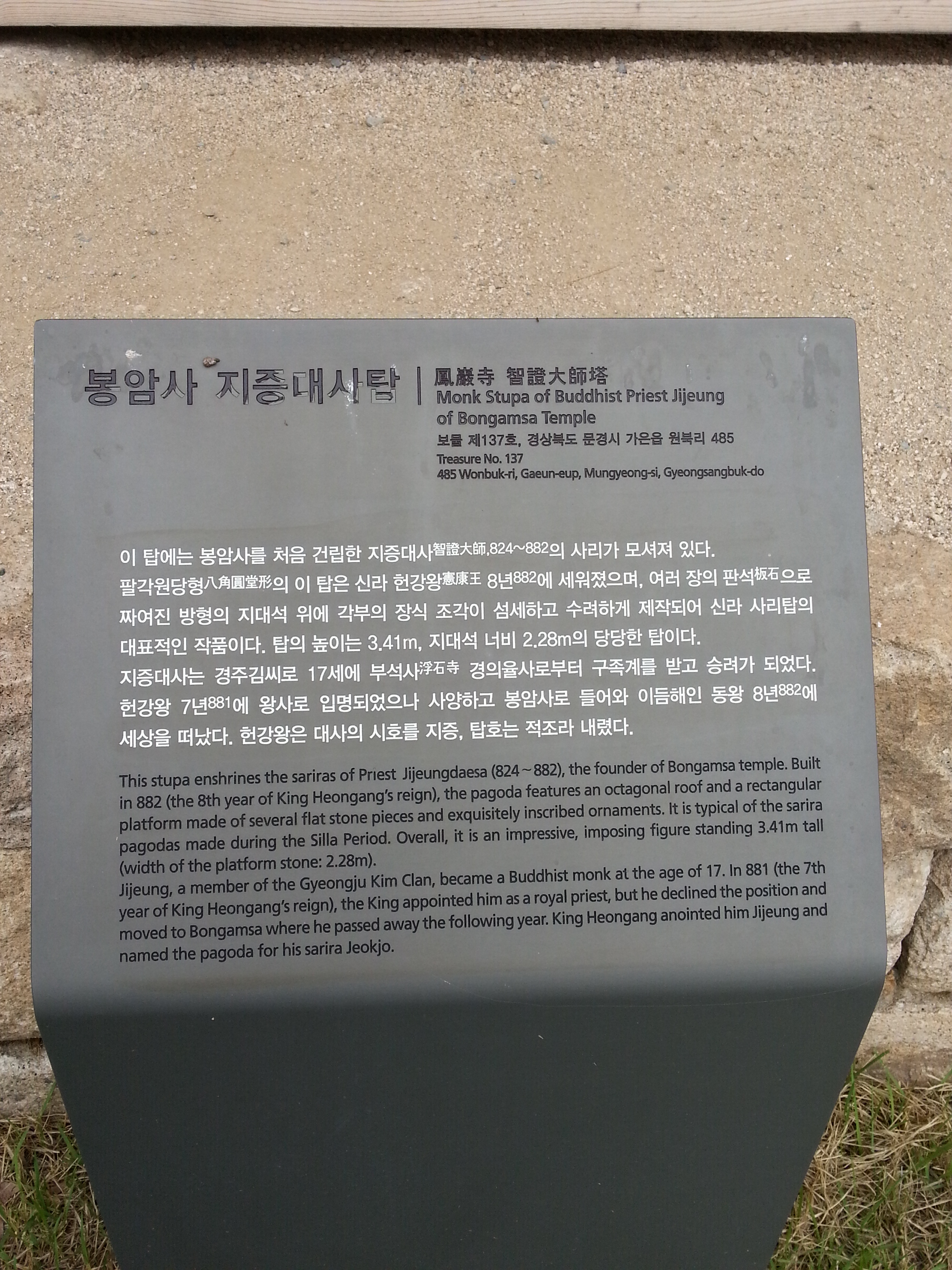
The memorial pagoda of a 9th century Korean monk
 Wake Up and Laugh!