Hye Hong Sunim – Interview, part 3

Practicing Even More Diligently Than When My Teacher Was Here – Part Three

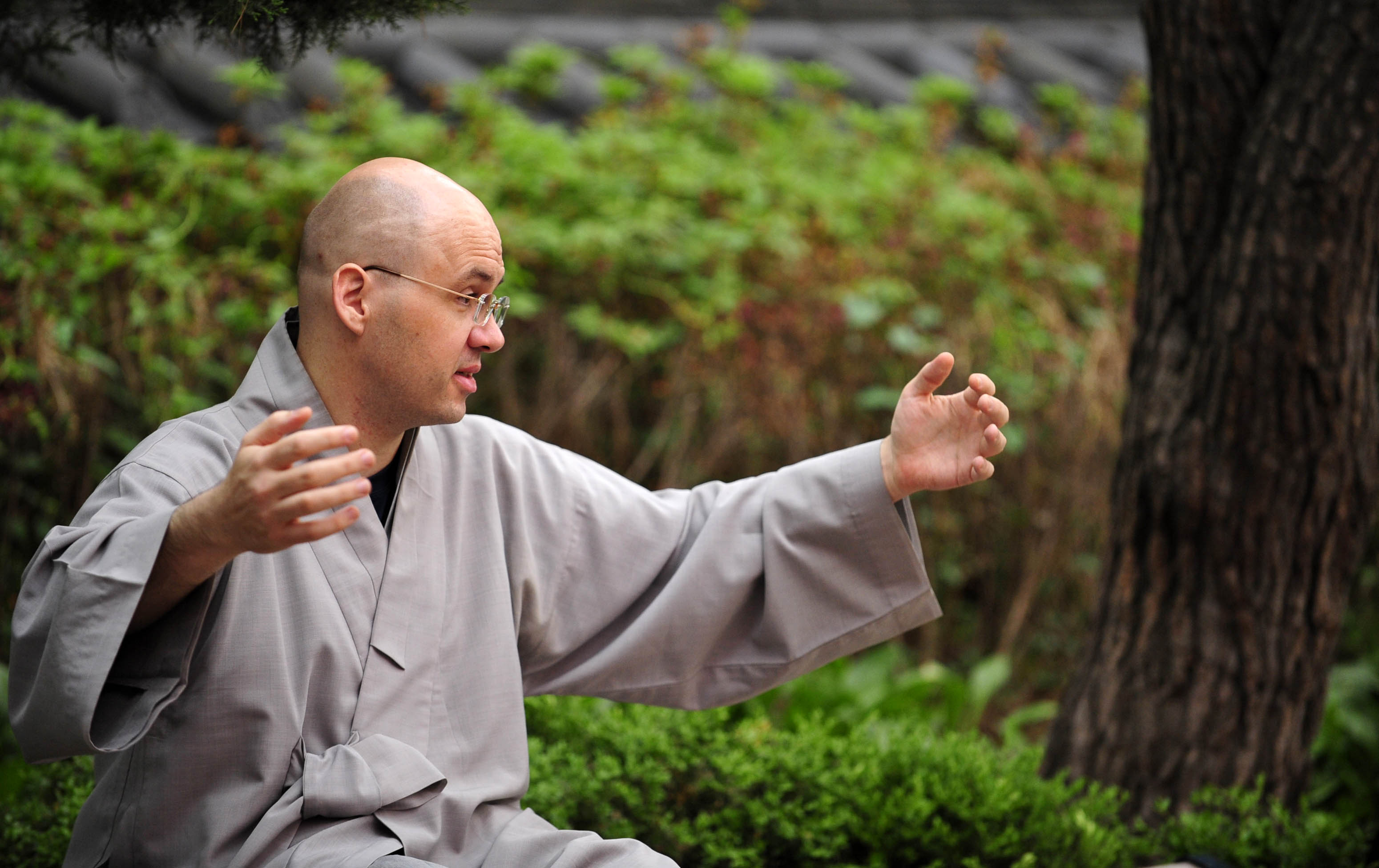
An interview with Hye Hong Sunim of the Washington DC Hanmaum Seon Center. This is part 3 of 3. This interview first appeared in Hanmaum Journal, in issue #78, November/December 2014.

Sharing Kun Sunim’s Teachings with the World

Daehaeng Kun Sunim once said, “My teachings have to go abroad before they can find a home in Korea,” but I’ve tended to think a lot about the “going abroad” half of things. There are a lot of different ways of making her teachings available to people outside of Korea, but I’d guess that books and mass media would probably be the most effective. Along those lines, she said to come up with something that could be used as a college textbook.

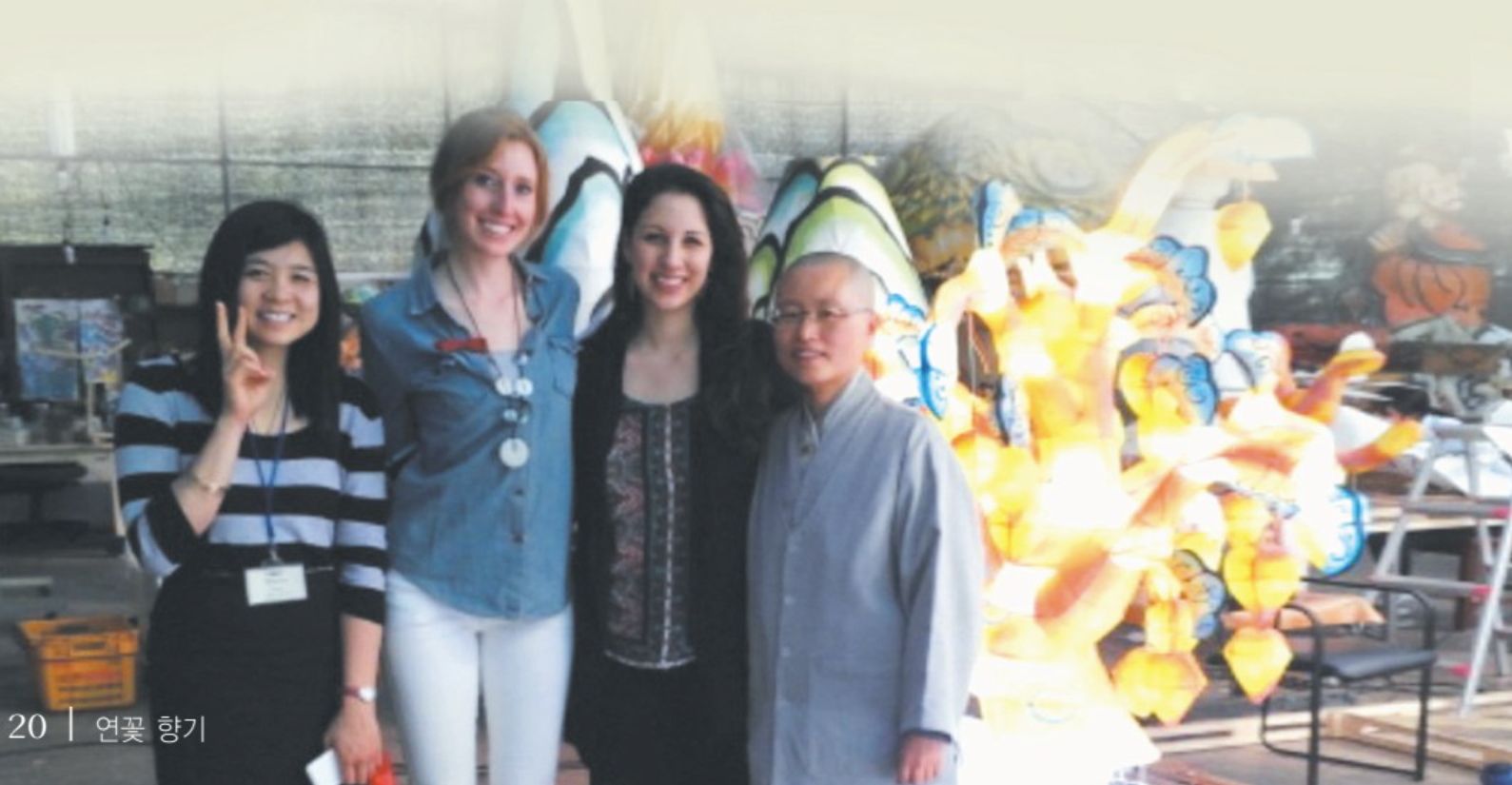
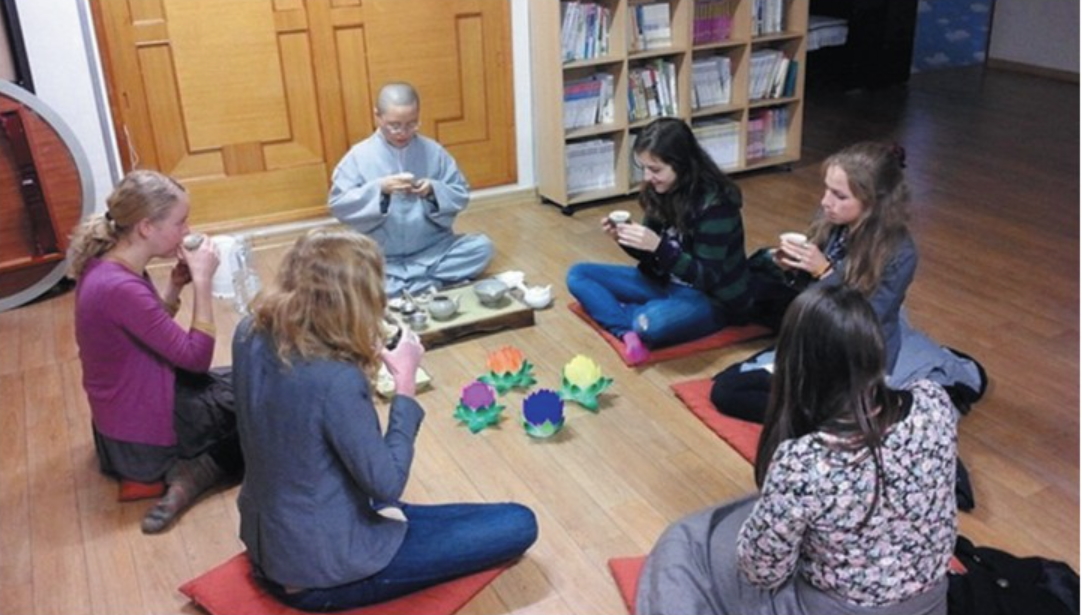
The Hanmaum International Culture Institute has been working to publish translations of her books abroad, but I wonder if we could do things like the temple stay program we’ve had with English teachers from the Fulbright program. Many of them return to their countries without having much interest in Kun Sunim’s teachings, but there are some who stay in touch and ask for advice about how to apply these teachings to the things going on in their lives.

This is just a small example of this, but one person who was going to Harvard was curious if their library had any of Kun Sunim’s books, and when she realized that they didn’t, she started looking into how she could donate books to their library. People at other universities have done the same thing.

If we want to help spread Kun Sunim’s teachings in Korea by also spreading them overseas, then it would seem like working with foreigners already in Korea would be a perfect opportunity. Small beginning lead to big things. The temple stay program at the Gwangmyeong Seon Center for the Fulbright teachers happened because of two Fulbright teachers who happened to wander in to our Jeju center. Just that one little connection had a huge impact.

It turned out that when the Fulbright teachers first come to Korea, they receive six weeks of training in teaching methods and Korean culture, and at that time, they were doing it at a university just a short drive from our Gwangmyeong Seon Center. When we offered to do a temple stay program for them, around 50 of the 70 students were interested in participating.

So we developed a 2 day program with sessions about the basics of life in a temple, history, meditation, the daily ceremonies, meals, and other arts and crafts related activities. The reaction was quite positive, with people interested in a winter program as well. We’ve had it every summer since, but there’s always a bit of uncertainty because the Fulbright program itself is always changing. That said, it’s always been a wonderful experience for even the sunims, and I hope we can do more things like this.

One of the things I remember Daehaeng Kun Sunim emphasizing when I became a sunim was that she wanted us to learn to drive, use computers, and speak English, because as she said, those were all skills a person needed to fully function in the modern world. At the time, her words didn’t really sink in, and I soon forgot about them. Then I started to meet the Fulbright teachers and had to speak with them in English. Now, I’m studying English much more diligently than I ever did when I was in school! (Laughs.) That said, I think it’s more important than ever that we as sunims work to spread Kun Sunim’s teachings in the greater world.

Take Your Inner Light as Your Guide

          To be honest, I was reluctant to give this interview, because I feel like I have so many shortcomings. But then the thought suddenly arose, “But it’s not about putting ‘Me’ forward, is it?” Every truth and principle is rolled up in that: There is no fixed, unchanging thing or aspect. It’s all flowing and changing.

Even though I’m speaking here today, in another instant, I’m someone else. The person people are reading about is already gone. Whatever we see, whatever we hear, everything we think about others – if we can just let go of that as soon as possible, then misunderstandings disappear, bad feeling disappear, conflicts that might grow into hatreds disappear, enemies disappear, and we can instead live brightly and freely.

This is true for those within our families, as well as those we don’t even meet in person. If we can use our minds like this, then all our connections with other people become better, and the world itself becomes brighter.

When I think about Daehaeng Kun Sunim, I often find myself crying. Despite this, I probably miss Kun Sunim less than the sunims at Anyang who got to see her every day. I think that’s because I always had a sense of connection to her, even though I was far away. And that sense of connection hasn’t changed. But, when I read her teachings and think about them, I’m struck by how profound they are, and that I always have such a teacher within me, and then the tears start.

What Kun Sunim said about having to take our inner light as our guide really stuck with me, and Kun Sunim’s Dharma talks show me how to better do that. So I find myself reading them more than I did when she was physically here. I spend more time pondering them and reflecting on what she taught about how to understand myself, the world, and how to fully live as a human being.

I hope that no one will think that spiritual practice has become harder now that Kun Sunim isn’t here. The past and the present are exactly the same. Nothing has changed. There’s no difference in spiritual practice. Things only seem different because in the past, Kun Sunim was spreading a big net, gathering people and holding large events. Now all of those people have settled down. They know what they need to do, and are quietly getting on with it. Because things are more quiet, they seem different, but nothing fundamental has changed.

It all comes down to you doing the practice. To you working at relying upon your foundation and entrusting with what’s confronting you. Perhaps there’s a sense that we have to work harder than when Kun Sunim was sitting next to us, but even then, everything came down to us doing the practice. I hope you will all work hard and taste the experiences that arise from your efforts. Thank you.

Practicing even harder after my teacher’s passing – Hye Hong Sunim interview, part 2

I only just realized that I never posted the rest of the interview with Hye Hong Sunim. So, this week, I’ll post the second and third parts here. Sunim is currently head of the Washington DC branch, and speaks decent English. If you are in the area, stop by! (Well, call first, lol.)

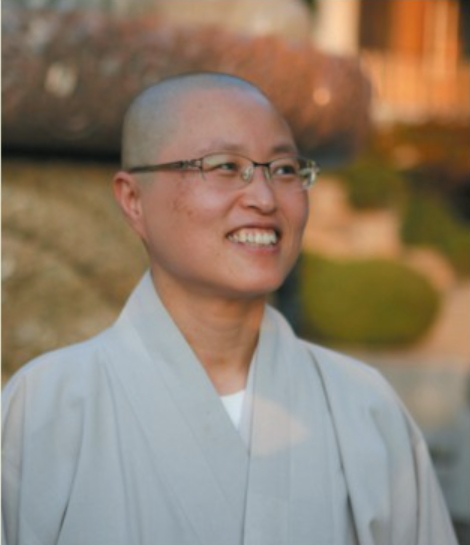
Hye Hong Sunim

It was like that as well on Lunar New Year’s Day and Korean Thanksgiving. People would be packed into the Dharma Hall for the early morning ceremony, as if it was a Sunday Dharma talk day. Usually few people attend the 4am morning ceremonies. However, people came in the early morning those days because they knew they’d be too busy with family events to come later in the day.

The individual lanterns carried during the Buddha’s Birthday parade were the same. They were all made by laymen who came early in the morning, students would work on them after school, and at night until 11pm, still more people would be working on the lanterns. There were so many times like this that I was moved by the diligence and sincerity of the laypeople. I guess that things like this had been going on at the other branches as well, but somehow they hadn’t really struck home. But with time, it was as if the scales had fallen from my eyes, and I finally saw how wonderful the laypeople were.

Looking back, I get a sense of how enthusiastic I was, and perhaps a bit too bright eyed! But after becoming a sunim, the habits and karmic states of consciousness that I had before were still with me, and if I hadn’t dissolved them before, I could still get caught up in them. It was as if I was inside a barrel, being rolled around by someone else.

One day, I had a clear vision of myself, and how I was being manipulated by those karmic states of consciousness. Seeing that, I thought, “I didn’t become a sunim just to spend my life being caught up in these things!” I was inspired to become a sunim by the depth and profoundness of Kun Sunim’s teachings, but now, looking at myself, there seemed to be such a huge difference between those teachings and what was going on inside me.

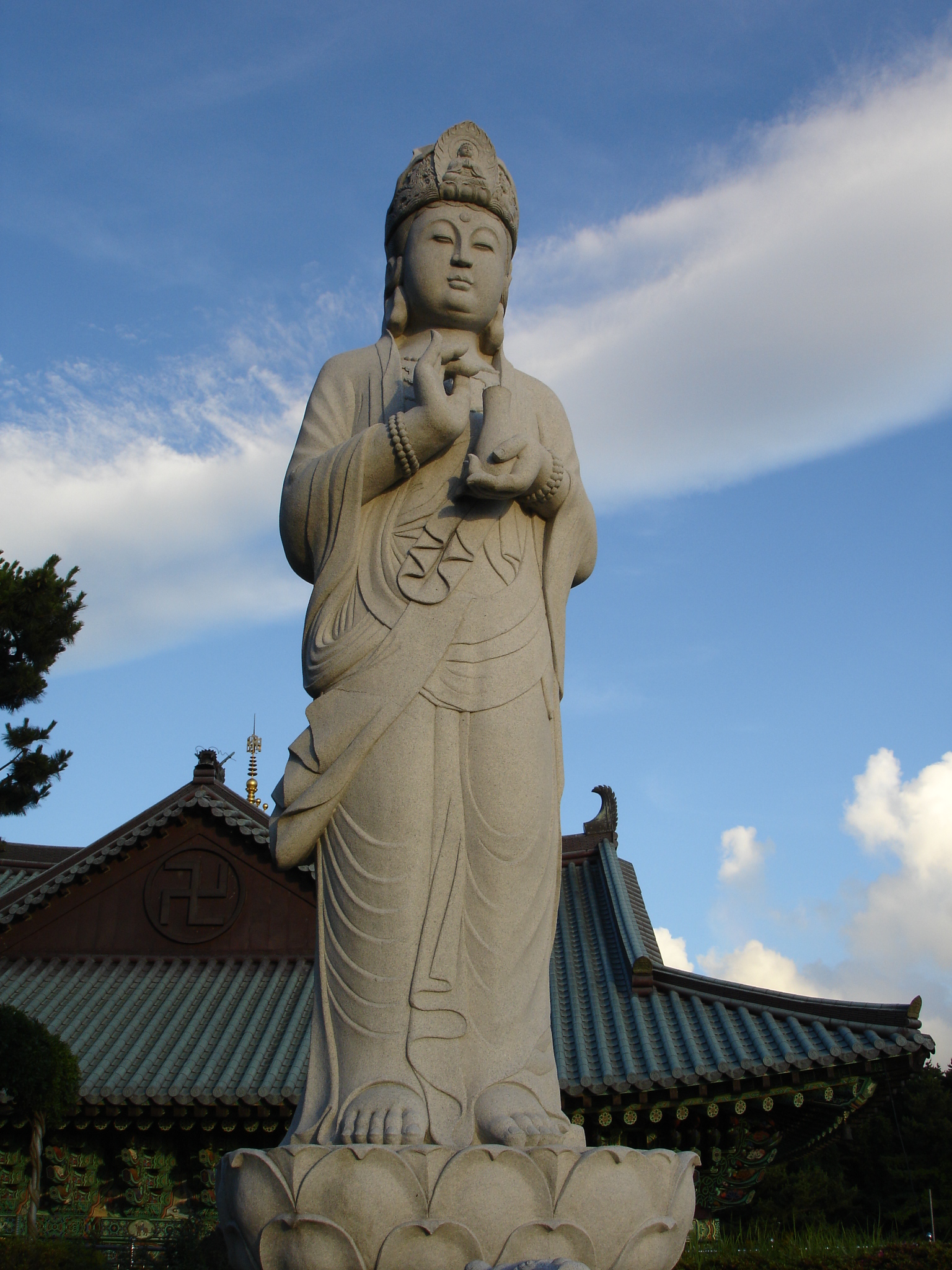
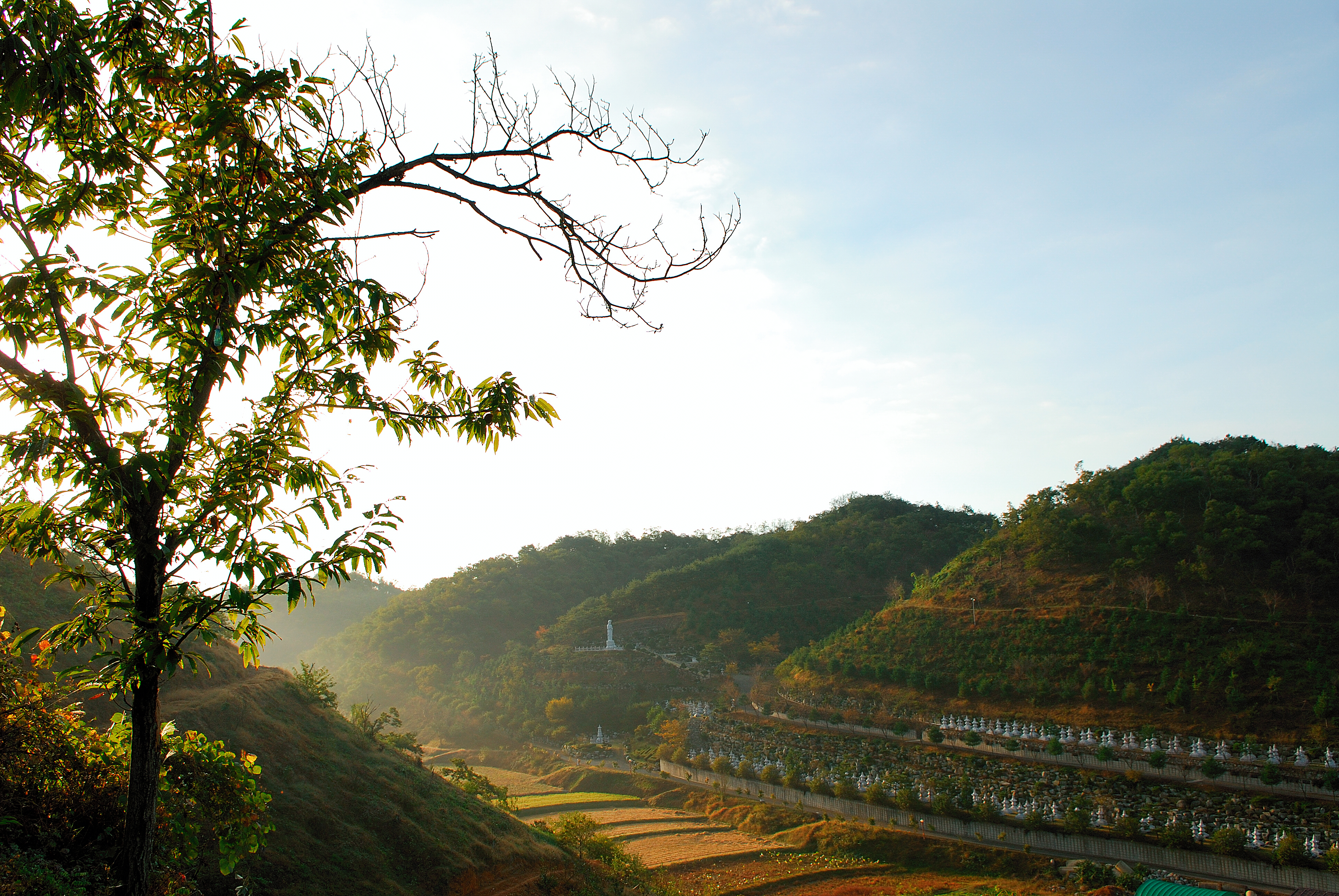
Kwan Um Bodhisattva at the Jeju Hanmaum Seon Center

It was really hard to both see what was possible, but yet still be caught up in those karmic states of consciousness. Even though I’d become a sunim, all those things within me continued to function as they had before, without change.

That said, getting older gave me a sense of urgency, and it was clear that it was no good continuing to be tricked like that. Kun Sunim had said that it was possible to set everything down in an instant, so that’s what I tried to do. I let go of everything and tried to start anew.

There were all of the fixed ideas and viewpoints from before I became a sunim, of course, but there were also quite a few that I’d learned after becoming a sunim. So I worked at ceaselessly maintaining awareness and letting go of everything that arose. Even when problems arose, I’d see them and know, “Ah. All of this comes from the thoughts and actions of people, so I too have the ability to handle this and dissolve all of it.” Again and again, I’d let go of what would arise from within and without. One of the effects of this was that I really began to see sunims and laypeople with fresh eyes, and felt so grateful to all of them.

Dharma Talks for Foreigners

Currently (as of 2014) our English Dharma talk members at the Jeju Center are mostly teachers from the Fulbright program. The original members have returned to their home countries, but new members have come. Many of them were at the Temple Stay program that was held last summer at the Gwangmyeong Hanmaum Seon Center. One of the members is from India, and came to Jeju to teach yoga, and the other is an elementary school teacher who heard about the group.

When we first gathered, it was because they had come to the temple on their own. This time, I was the one reaching out to them and other English teachers. Because I’d already met with them and given Dharma talks in English, I now had a bit of confidence to do that. They had seemed to enjoy their time at the Seon center, so it seemed likely that others would as well.

I’d met many of the new teachers coming to Jeju Island during the summer temple stay program at the Gwangmyeong Hanmaum Seon Center, and they had expressed an interest in coming to the Jeju Hanmaum Seon Center, but it can be a little hard to put yourself forward when you’re in a foreign country and everything seems a bit strange. So I reached out to them and invited them to the Seon center.

They weren’t Buddhists or people with a lot of understanding of spiritual practice, so it didn’t make sense to start with trying to dive into Kun Sunim’s Dharma talks. Instead, I focused on activities around Jeju Island, such as going to an exhibition of folded paper flowers made by a sunim, making temple food, going to look at the lanterns that were being made for Buddha’s Birthday, as well as trying to make lanterns ourselves. In the process, we could talk a bit about Buddhism and what Kun Sunim said about spiritual practice. Approaching things this way also worked out nicely, because my English wasn’t good enough to give long talks.

          They were always interesting to meet! Koreans tend to know about sunims and act a bit formally in front of sunims, but the English teachers didn’t have any fixed ideas about such things, so they were much more relaxed and casual.

          To help overcome the limitations of my English, I give them each a copy of one of Kun Sunim’s books in English, and asked them to email me any questions they had a week before we met. That way I could work my way through them, and have time to figure out how to say what I wanted to in English. Then, I would type up the question and answer, and pass around copies when we gathered, so that we could all discuss the issue.

          I stuck with the basics, teaching them about their foundation, Juingong, and the practice of entrusting it with everything that arises. I also emphasized that Juingong was like a power station that was connected to everything else. The energy was there, we just had to try and use it.

          One time, I had everyone write down all of the negative and self-critical thoughts they were having. They were all writing down a lot, but I could also sense some tension, in that they were clearly nervous that I would ask them to read out what they’d written. I gave a laugh, and said, “Now let’s burn all that up!” Everyone gave a sigh of relief! As we went outside to a spot I had prepared, I said, “As these burn up, say ‘goodbye’ to them!” As those sheets of paper burned, it seemed like a weight had gone from everyone’s shoulders.

          I was trying different things like this to try to give them a feeling for entrusting and spiritual practice. In this case, I was hoping this experience could help towards seeing our foundation as a blast furnace that burns up and melts down everything we put into it. With things like this, I was trying to compensate for my weak English skills to convey a sense of what I wanted to teach them. In fact, they all seemed to grasp the key points right away.

          One thing that impressed was that although they all came from different countries and different religions, they seemed to be extremely open minded towards other cultures and religions. Even though they’d been raised in Protestant or Catholic environments, they didn’t seem to have the least rejection of Buddhism. It appeared that if an idea or practice was helpful to them, they weren’t concerned about where it came from. On Buddha’s birthday, when they saw the sunims and laypeople making offerings, they looked around for the offering envelopes, and made offerings of their own accord.

          They reminded me again that everything comes down to this fundamental mind we all have, and that it seems to recognize itself in others, regardless of differences of culture and appearance.

In the next segment, Hye Hong Sunim talks about Kun Sunim’s teachings, spiritual practice, and reaching out to others.

The Evening Bell Chant

Listen to the sound of this bell,
dissolve all delusions and suffering,

deepen your wisdom,
give rise to the desire for awakening,
free yourself from all hells,
leave behind the samsara realms,
become a Buddha, and save all beings.
Now hear the mantra that shatters all hells:
om kar-la-ji-ya sa-ba-ha

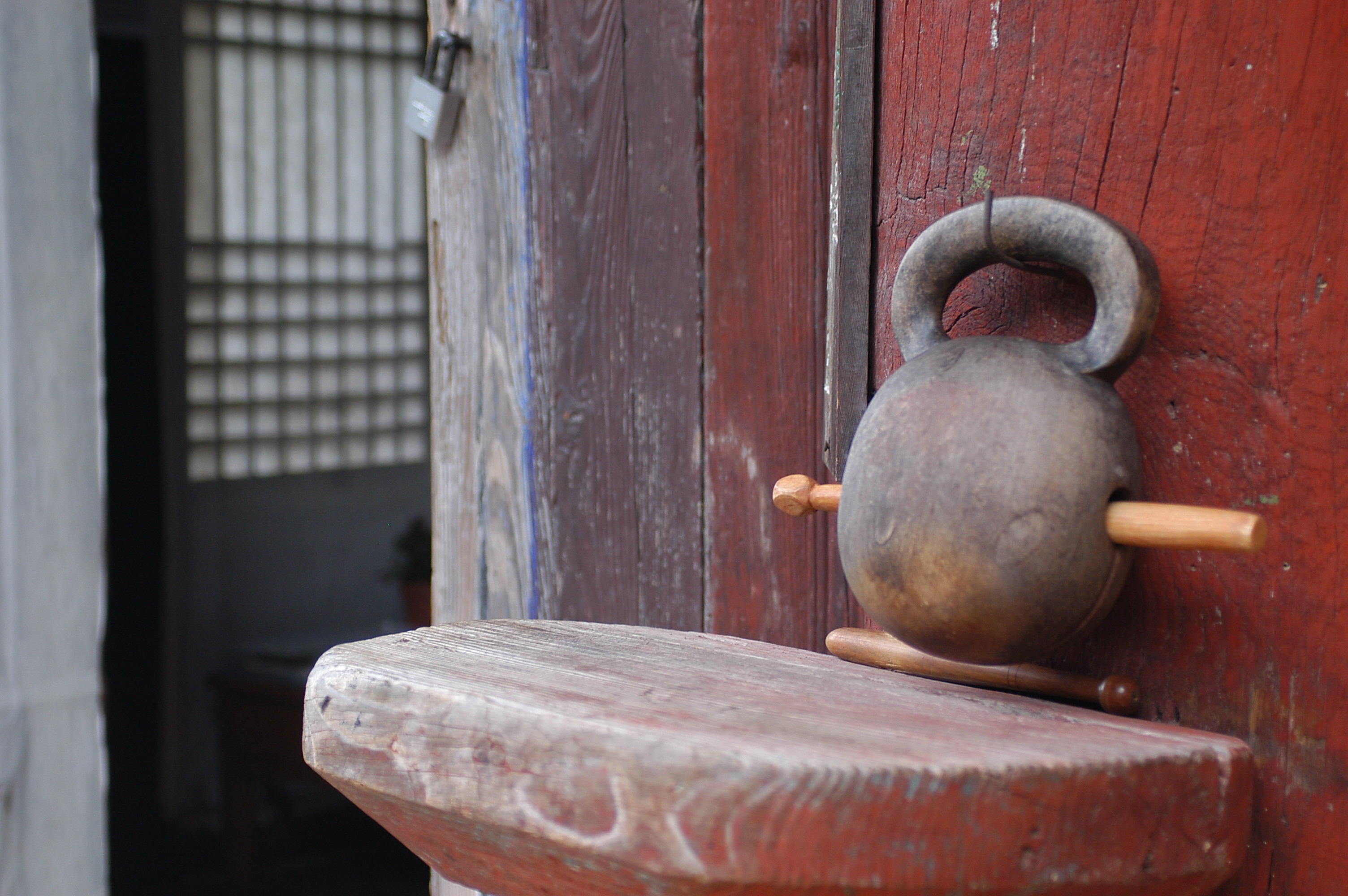
This is the evening bell chant, as recited at most temples in Korea. To be honest, I’m not sure how necessary the last four lines are – the main verse itself seems like the mantra that shatters all hells. For ultimately, it’s our intentions that create hell. First we have the intentions, and then our behavior and where we want to go comes from that.

So if we raise the intention to dissolve delusions, to deepen our wisdom, to awaken, and to leave behind the realms of pointless desire, then it won’t be hell we’re pointed towards!

(Actually, I suspect the mantra might be a mnemonic where each syllable represents one of these actions and intentions. Maybe something like “Listen-dissolve-deepen-give rise to-free-leave behind.)

Noon Blessing, Day 47 – The final verse

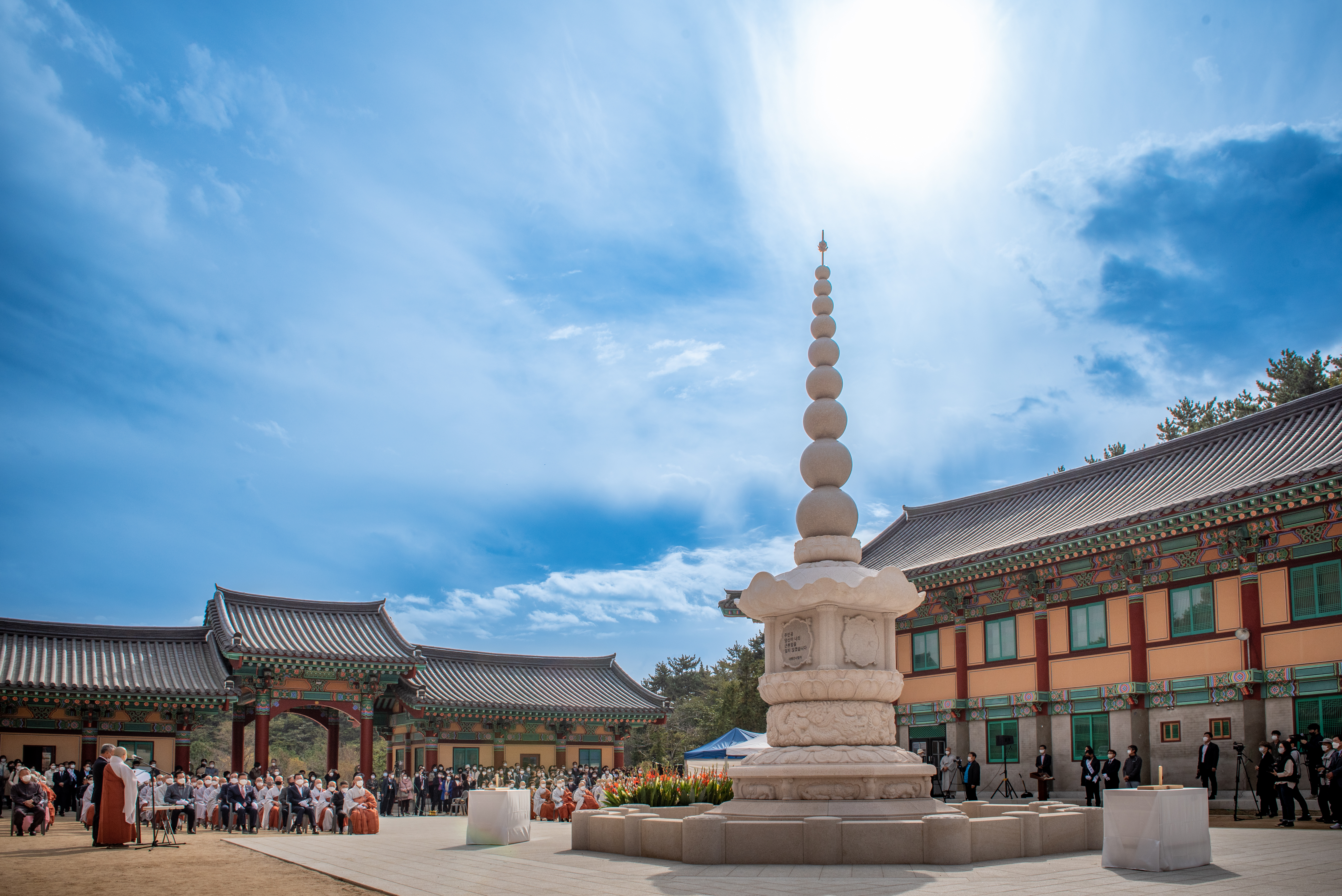
The photos this week are from the unveiling ceremony of the central pagoda held two weeks ago at the Tongyang Hanmaum Seon Center. The corona virus kept us from having as many people as we would have liked, but it was still wonderful!

Let us always go forward,
in this life and those to come,
following the path of the bodhisattva
and thus attain ultimate enlightenment!
Let it be so!

This is the last verse of the Noon Blessing. Not short, as you know by now!

There is a thing about teachings that are aligned with how the universe truly flows – Even though we don’t see it for ourselves, just being exposed to such teachings, just trying to let them sink down within us, causes us to move a little bit more in tune with everything.

It’s not a replacement for our own efforts, but perhaps more a nudge for all the billions of lives that make up our body. A reminder of how we can live and how we can find fulfillment and meaning. And perhaps, a reminder that will pop back out into our awareness when we need it most.

Noon Blessing, Day 46 – Untold kindnesses

The Tongyang branch of Hanmaum Seon Center

Let us never forget the kindnesses
and blessings of Buddhas and awakened teachers,
let us never forget the grace that we have received,
and thus always work to help free those beings
still lost in suffering.

One thing that we can sometimes forget, is that we are here today because of immeasurable, inconceivable kindnesses from others. Even if our life seems rough right now, we have still been the recipient of generous actions and thoughts beyond measure. There is just no other way to have evolved to this point.

So instead of looking towards where we’ve been mistreated or abused, ignored or dismissed, (an easy, easy thing to do!), remember that others have shown us unimaginable kindnesses, and focus on going forward from here. For truly, we are reborn every instant, and recreate our future every instant. There are no such thing as small thoughts. Everything contributes towards our direction, so view things positively, generously, and let it all melt down in this great furnace that is our Buddha nature. And step forward into each new moment as if you were being born into a new life.

Noon Blessing, Day 45 – Practice and the meaning of one mind

May all of us here,
practitioners at this temple,
as well as those in other places,
understand the meaning of “one mind,”
and so get along harmoniously with each other,
and so keep brightening the light of our inherent nature,
and without delay,
attain true and upright enlightenment.

When it comes to practice, there are a lot of nuances and implications of “one mind.” Even when someone tells us about them, they usually don’t sink in too far, because we are still unconsciously viewing everything we see and experience through the lens of “separate from me.”

Where did this idea of “separate from me” start? No idea, but it’s probably an element of evolution, where when circumstances were so desperate, we had to focus on ourselves in order to survive. We almost certainly had to do terrible things, and “not me” was probably the only way to get through that. And if all the beings around us were behaving the same way, then absorbing the idea of “one mind” from others would have been off the table.

But, now we know better, and most of us are in circumstances where eating and surviving don’t require terrible decisions. Now we can live without causing too much suffering. Now we can open ourselves to the idea of “one mind.” Now we have the virtue and good fortune to re-orient our lives in tune with this.

Noon Blessing, Day 43 – Realms where we can practice and awaken

Having thus given rise to the desire for enlightenment,
may every kind of spirit be reborn in a virtuous realm,
where they are able to practice and awaken.

While it’s true that we care with us all that we need to practice and awaken, it’s also true that until we have firmly found our footing, support and guidance are necessary.

If we are still unsure about what we have to do, then it’s a lot harder to get there if no one around us is practicing. Or if we are just too poor. There’s nothing wrong with being poor, but as the great practitioner Tevye said, it’s no great blessing either! Too much of anything, including poverty, can overwhelm us.

So to be born in a place surrounded by the virtuous and wise, with adequate food and shelter, is no bad thing.

Noon Blessing, Day 42 – May every kind of suffering spirit immediately enter one of the heavenly realms

May every kind of suffering spirit,
may every spirit with a connection to Buddhism,
or any other religion,
may every spirit around the world,
through the virtue of their affinity with those here today,
or through the virtue of their ability to be touched by our intentions,
may each and every one of these spirits,
immediately enter one of the heavenly realms,
and there meet Amita Buddha.
May they thus give rise to the desire for enlightenment.

One of the touching things about reading this, is that as soon as I do, there’s an “Ahh” moment, where something deep down in me relaxes. Something within me knows that this verse is deeply true, and is how we should be seeing the world.

Noon Blessing, Day 41 – May all the deceased who have a connection with us….

Neither the living nor the dead are separate from each other,
with this in mind,
we raise the intention that all spirits
who have a connection with those of us here today,
whether from this life or past lives,
whether they were our grandparents, parents, brothers or sisters,
nieces, nephews, or even our children,
whether present here today,
or in the next town or the one beyond that,
whether awakened or lost in darkness,
whether currently having a body or not,
whether they are able to live freely,
or are caught up in ignorance,
may they all gather together here, now,

at this place of learning and practicing,
like streams flowing to the ocean.

Where the last verse was short, this one is long, lol. But it’s just as wonderful! One of the things that’s so touching about this verse is it’s unconditional, all-embracing attitude. “May those who are doing well, as well as those who are screwing up all come together, and learn and grow.”

It’s easy to hate or look down on people who are behaving badly. Given that they are usually causing us pain or inconvenience, that’s not a surprising reaction. But to look at even them with warmth and compassion is impressive, and is a great teaching for all the rest of us.