
I take refuge in one mind,
which completely looks after all beings
throughout the world and universe.
우주 세상 일체 생명 자재로이 보살피는 한마음에 귀의하리다.

Learning to see the world as it truly is
I take refuge in one mind,
which completely looks after all beings
throughout the world and universe.
우주 세상 일체 생명 자재로이 보살피는 한마음에 귀의하리다.
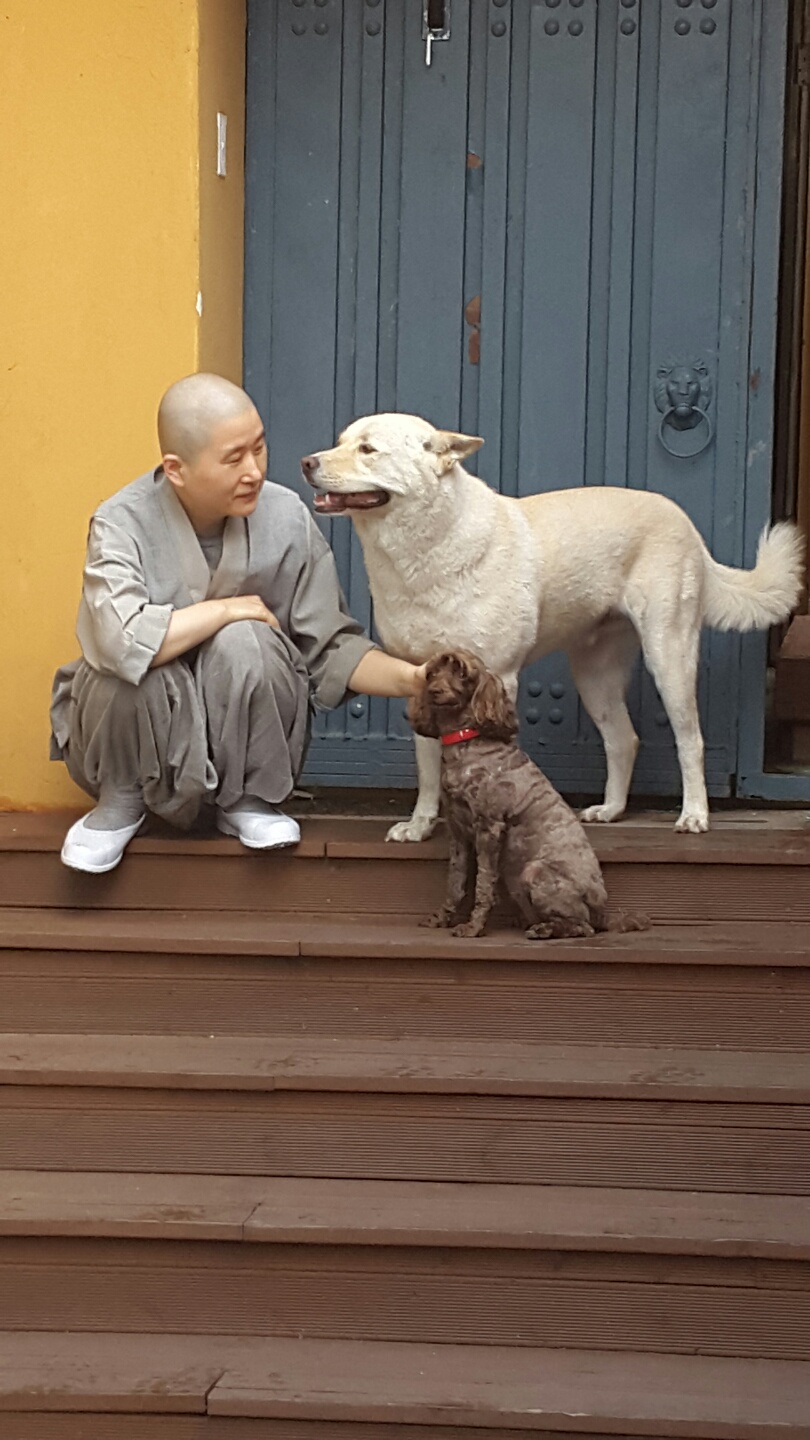
How’s everyone doing? Sitting tight and not too bored, I hope. May everything you need to survive and get through this winter fill your life.
with palms together,
Chong Go
I take refuge in one mind,
with all-embracing harmony
it saves all beings, everywhere.
둥그런 큰 마음을 내시어서 두루두루 건지시는 한마음에 귀의하리다.
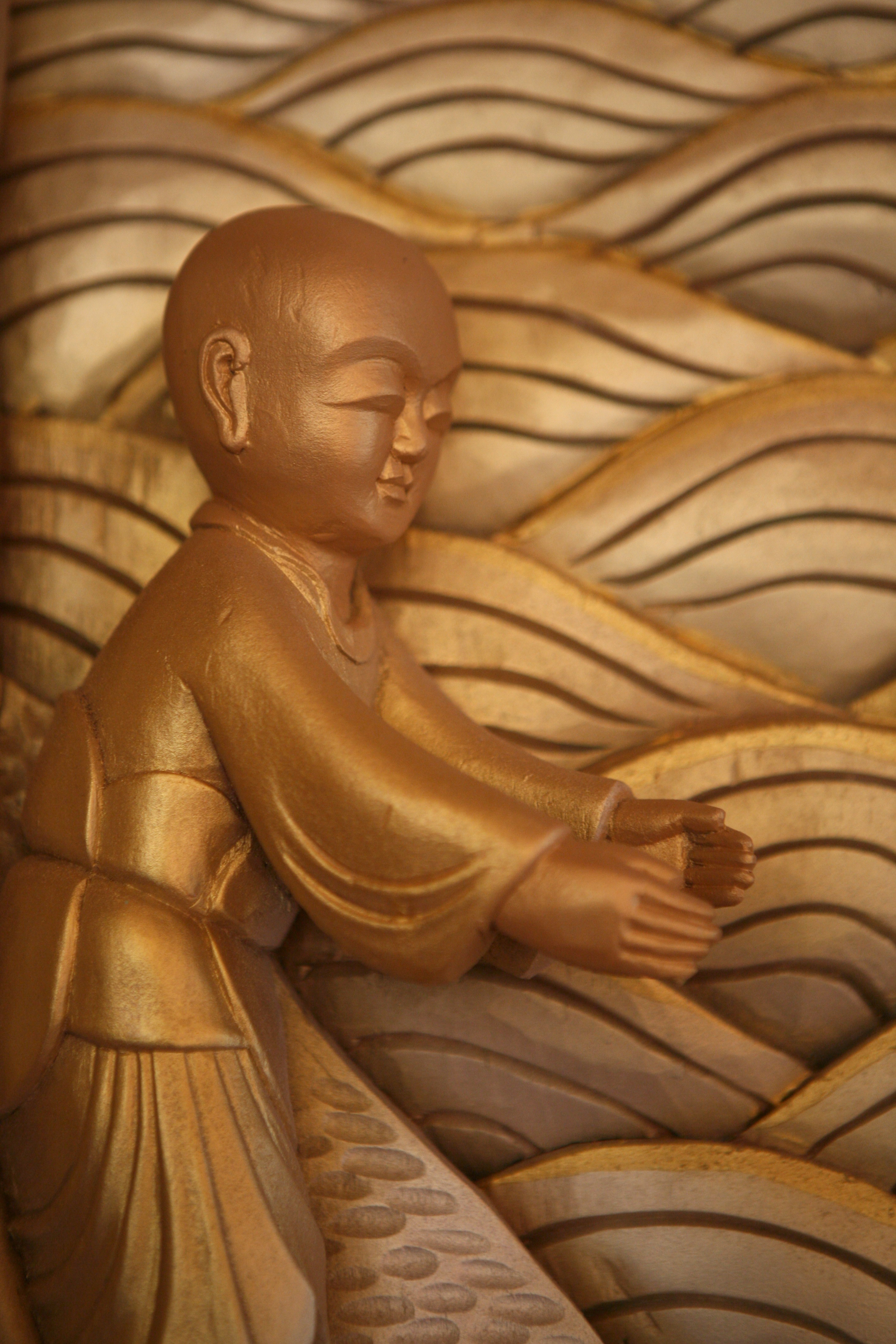
The Korean used here for “just as it is” is one of my least favorite expressions to translate. It can also mean “suchness” or “thusness.” Which, in English, don’t convey much feeling or meaning. For me, the nuance here is of not needing anything added. Of being perfectly whole just as it is.
I take refuge in one mind,
remaining just as it is
it ceaselessly takes care of all things.
끊임없이 보살피며 여여하신 한마음에 귀의하리다.

I take refuge in one mind,
with a thousand hands
it ceaselessly takes care of all things.
끊임없이 천수로써 보살피는 한마음에 귀의하리다.
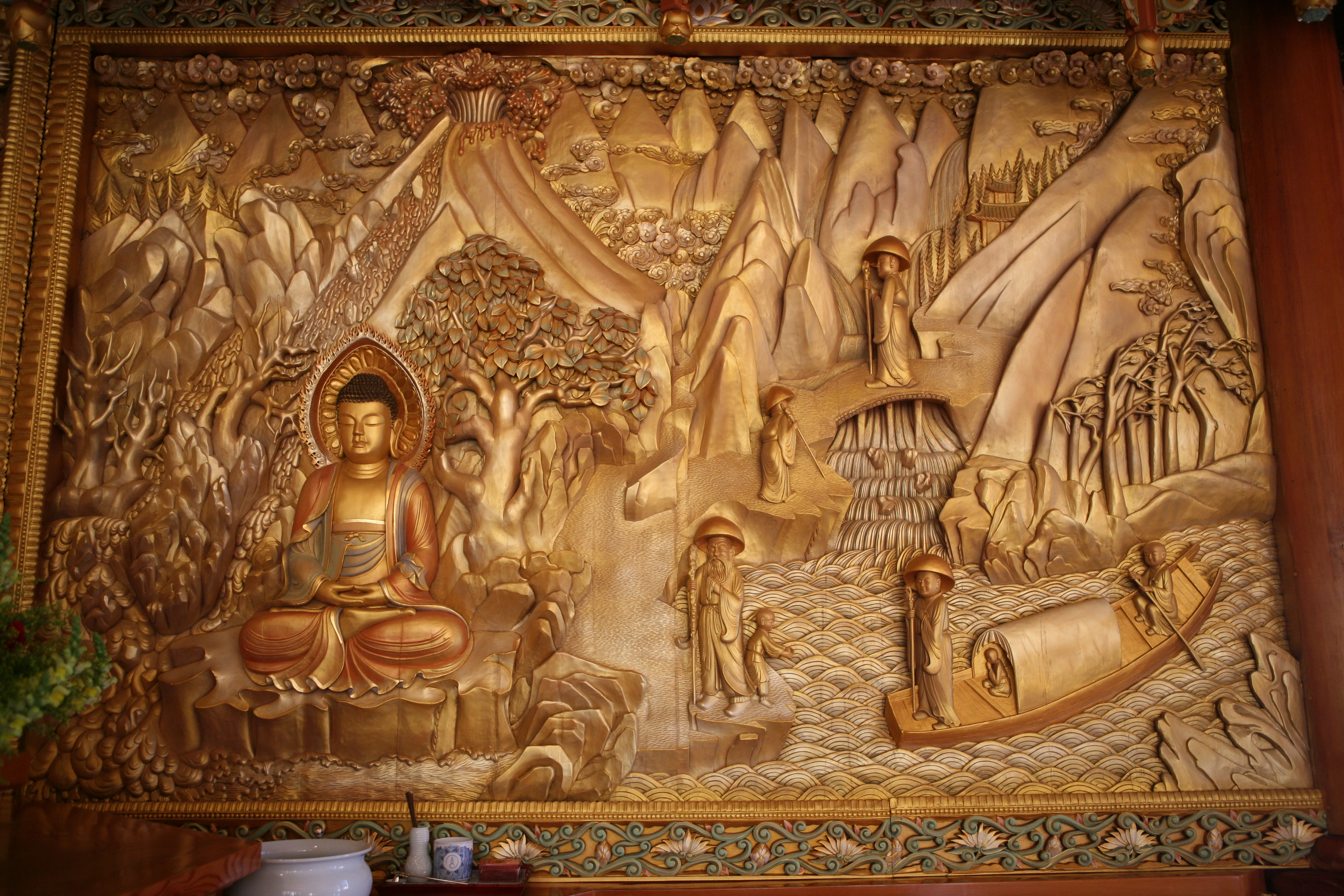
Remember to try to recite these a few times a day! When you wake up and when you go to sleep are ideal, but, really, whenever you have time or think of them is fine too.
I take refuge in Buddha and one mind,
which encompasses the endless universe
and all things with life and without.
끝이 없는 대천세상 유생 무생 부처님과 한마음에 귀의하리다.
Through one mind I take refuge in Buddha,
who watches over and takes care of
all material and nonmaterial realms.
유무세상 관하시어 보살피며 건지시는 부처님께 한마음으로 귀의하리라.

This is an interesting verse! Instead of saying “such and such will save me,” it’s a request that we be able to learn what we need to know to help ourself. In this case, it’s the truth of nonduality. If I want to be free from anger, desire, greed, jealousy, then I need to learn the truth of nonduality. That’s it. Just learn the truth of nonduality.
When we see other’s success as our own, when we feel their pain as our own, when we see the negative things they’re doing, and feel the suffering that’s going to cause for themselves and others, all of our hate, resentment, jealousy, and so on, just vanish. They just disappear as if they were a vague rumor from a hundred years ago. But we still have to do that one thing -Learn the truth of nonduality. And we can do that by practicing returning everything to our foundation.
Should the mind of an animal arise within me,
let me learn the truth of nonduality
through the deep wisdom of one mind.
만약에 축생의 마음 일으킨다면 스스로 큰 지혜로 둘 아닌 도리를 알게 하소서.
It took a while, but we’ve finished the subtitles for a new Dharma talk by Daehaeng Kun Sunim. She’s pretty direct in this one, but they’re great contents!

The word used here for “angry spirit” is actually “asura,” which is awkward to translate, particularly in a chanted text. In some texts, they are good beings, but in general, they’re considered very powerful beings who have a strong tendency towards anger, fighting, and jealousy. Some texts consider their realm to be higher than human beings, some list it as being lower. It doesn’t really matter, because we have the potential for every kind of state of being within use, depending upon how wisely (or not!) we use our minds.
But in reciting the truths of this sutra, we are educating the consciousnesses that make up our bodies, and showing (or reminding) them of wiser ways of being. As well as showing them the path to growing and developing.
When I rely upon my one mind for everything,
should the mind of an angry spirit arise within me,
it will willingly surrender to my one mind.
만약에 아수라의 마음 일으킨다면 스스로 내 마음에 조복되리.
When my mind acts like a hungry ghost,
my one mind can embrace that consciousness.
Experiencing oneness, it is truly fulfilled.
내 마음이 귀신행을 한다면 내 한마음이 귀신 항복 받아 충만하리.
 Wake Up and Laugh!